
How to secure your Docker image build pipeline
A robust and secure build process for your Docker containers is a central part of protecting applications in production. Here's how we do it.

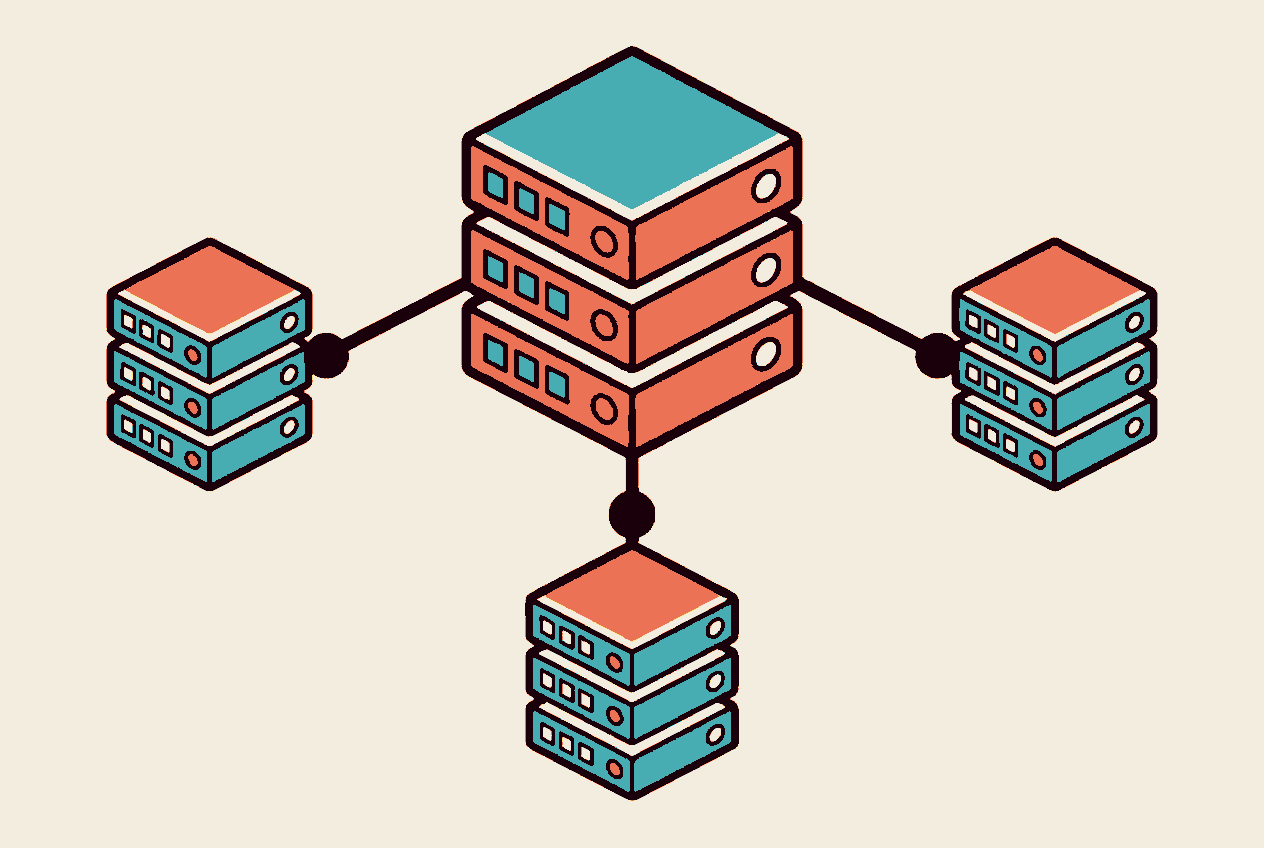
In a world with increasingly complex technology stacks, security in your Docker build pipeline is critical. Here are the methods we use to harden the entire chain – from base image to registry.
1. Use official base images
Always start with an official image from a trusted organization. Custom or unverified images often carry vulnerabilities you're not aware of.
2. Automate vulnerability and secret scanning
Run Trivy, Grype, or similar tools directly in the pipeline. Let the build fail when critical CVEs are found. Also, scan for leaked secrets with gitleaks or trufflehog.
3. Sign images
Use Cosign or Notary to sign images. The Kubernetes cluster should only accept signed artifacts.
4. Minimize the attack surface
- Multi-stage builds – only necessary binaries in the final image.
- No
latesttag in production. - Run as a non-root user.
5. Protect the registry
Signing + RBAC + immutable tags. Rotate credentials regularly and log everything that is pushed.
Do you want help hardening your pipeline? Our SecOps consultants would be happy to assist you.


Kubernetes, platform build or migration? I'll connect you with the right specialist right away.
Related articles
How to Leave VMware Without Breaking Production
A migration guide for teams that cannot afford downtime: mapping, destination selection, and migration in waves with tested rollback.
Cisco NSO: Why Your Company Needs It – and How to Get Started
Network automation is hot, but where do you begin? We explain why Cisco NSO is often the right tool and how to take the first step.
4 Tips for Strengthening Your Cybersecurity
Four concrete measures that elevate your security: EDR, vulnerability analyses, SIEM, and continuous awareness training.