
Exploring Cisco NSO: A Deep Dive into NETCONF/YANG (Part 2/3)
Explore Cisco NSO with NETCONF/YANG for efficient network automation. Compare with SNMP and learn how our Cisco NSO consultants can help you.

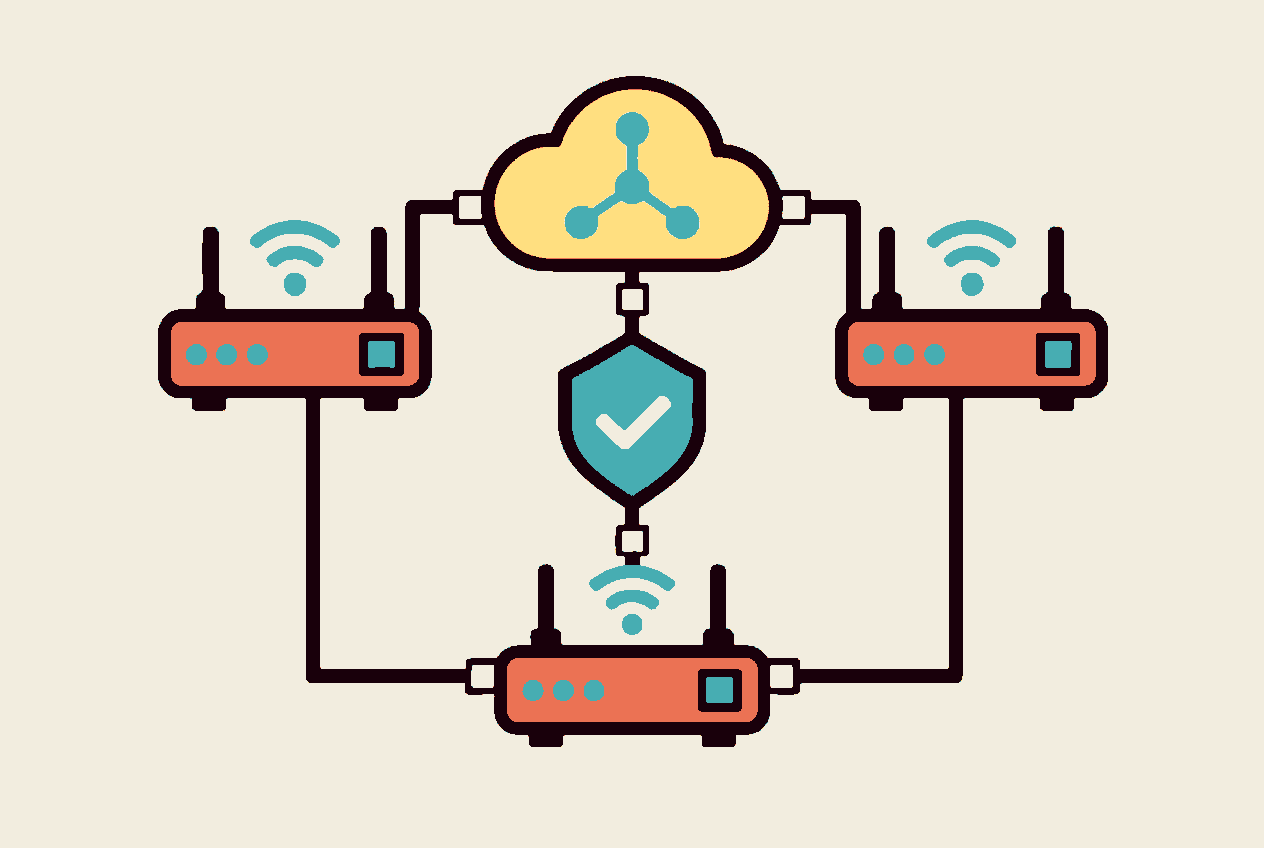
NETCONF and YANG — The Heart of Modern Network Automation
In part 1, we looked at why Cisco NSO has become an obvious choice for automating complex networks. In this part, we dive into the two protocols and modeling languages that make it possible: NETCONF and YANG.
From CLI to Structured Data
Traditionally, network engineers have configured devices via CLI or SNMP. This works — but scales poorly and is susceptible to human error. NETCONF replaces CLI with a structured, transactional interface over SSH where the configuration is XML data, not free text.
YANG — Model the Network as Code
YANG is the language we use to describe what a service or device should be able to do. With YANG models, NSO can abstract away differences between vendors and present a unified service model to the rest of the organization.
What it Gives You in Practice
- Rollbacks that actually work — entire transactions, not individual commands.
- A single source of truth for the configuration.
- The ability to generate CI/CD pipelines for network changes.
In the next part, we will go into the technical details of FASTMAP and reference counters — the mechanisms that make NSO unique.


Network automation, Cisco NSO or monitoring? I'll connect you with our network specialists.
Related articles
Mapping 120,000 devices: how we built a network discovery platform that keeps up
How we built a network discovery platform tracking over 120,000 devices: DNS zone transfers, Temporal, SNMP templates, MongoDB, topology from MAC tables, Jaeger, and a versioned FastAPI.
From Git to VM – how we build self-service with Proxmox and Crossplane
Proxmox, Crossplane and GitOps as the foundation for self-service on your own infrastructure. Read about Petter's PoC, what works today and the next steps.
Building a Kubernetes Platform Without Vendor Lock-In
How do you build a container platform that can evolve over time? Brian Levinsen discusses solution design, OpenShift, GitOps, and minimizing vendor dependencies.